Edgars Stafeckis, the partner and consultant of Digital Mind is a regular speaker at various business conferences and seminars, where he is speaking also about the progress in the document management area in the world, in the Baltic States, in Latvia and in our company. Today, he has summarized the main topics of his recent presentations to rouse reflections and discussion also here – in the blog of our company.
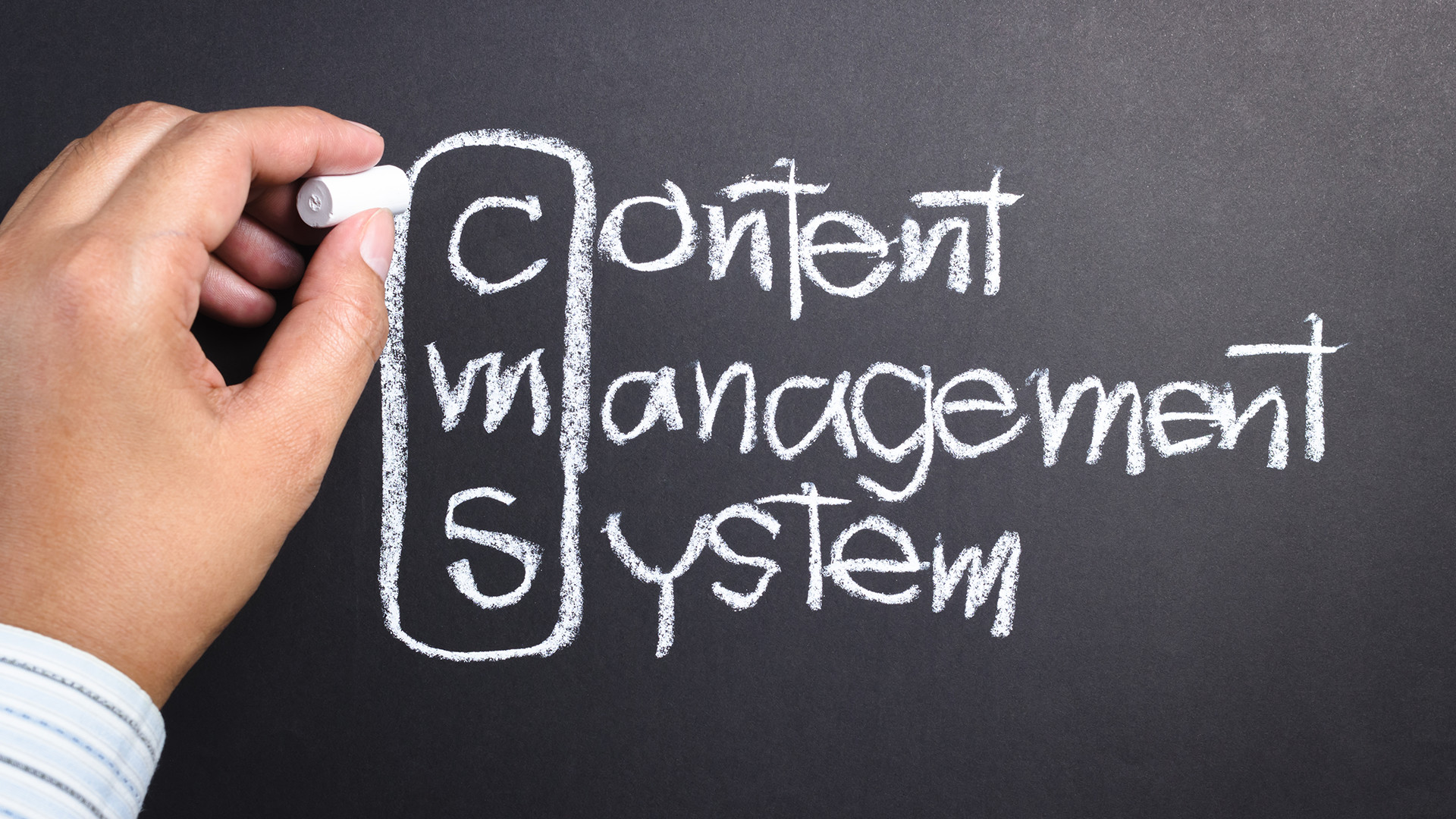
Disclaimer – I use terms “document” and “content” in the article. “Content” is our Latvian version of the term “enterprise content”. It supplements the usual “document”, because in addition to scanned and uploaded documents, which are mostly text documents, we have now a variety of other types of data – pictures, audio, video, CAD, 3D, xml, and other content. Therefore, under the term “document management” we understand the Enterprise Content Management (ECM) or Content Management.
At the outset, I will present myself in a way that slightly differs from the traditional one and I will mention things that I would like you to think about. Namely – I, Edgars Stafeckis, work in the field of document and process management since 2007; I have participated in dozens of system implementation and process transformation projects in different roles. My routine work is related to the following documents:
From the perspective of a computer user, I work with different systems:
I have colleagues who work in ERP (accounting and financial management) and HR (personnel management) systems as well but I do not need to work with them anymore. And this is good because the list of the systems I used is already surprisingly long.
Now you are kindly asked to look up and think about the types of documents and systems you work with regularly.
Which issues do the ECM or Enterprise Content Management systems solve?
First of all, they are intended for efficient work of the employees without spending the time for non-creative activities, for example, unnecessary operations for creating, circulation, coordination and signing of information internally and with third parties. It shall be admitted that the most time is spent inefficiently in search of the information.
Secondly, it is not a secret that our information consumption is ever growing today. We mainly receive the information in digital format. In addition, this volume in terms of quantity (in units), size and formats increases very rapidly, and it does not apply to natural persons alone. Organisations have to understand, which items are valuable in this information flow, what and how should be managed, how to do it in order to provide the compliance of the management to the internal and external requirements (GDPR is the “hot topic” lately), and how to monitor the use of the information.
Thirdly, how to ensure an efficient course of business processes? In the business processes, the content is used mainly for two things – to take the best decisions and to demonstrate something. For example: to pay a bill or not, how to handle a specific customer’s request, etc. – this is where you use the available information. Or you make records stating that the changes in the particular delivery are mutually agreed and that the client consented to the provisions, or that a specific warning has been made, etc. In many organisations, the circulation of documents still takes place in paper form, in others – partly electronically and by e-mails. Business process automation typically generates a significant efficiency increase resulting in accomplishing of the same amount of work by considerably smaller amount of human resources. It is logical.
Before moving to the system implementation projects, we use to perform also feasibility studies with clients, including cost and savings analysis – what kind of and how big are the expected benefits from the transition to the electronic circulation of documents. I can say that when presenting the results, I always face surprise and scepticism about the actual costs of the status quo and about the amount of money the specific client could save. The largest savings result from the following:
It sounds good but there are some factors, which can delay a successful implementation of the ECM system. We will speak about them in the next article.
Would you like to learn more? Let's get in touch.
Sending...